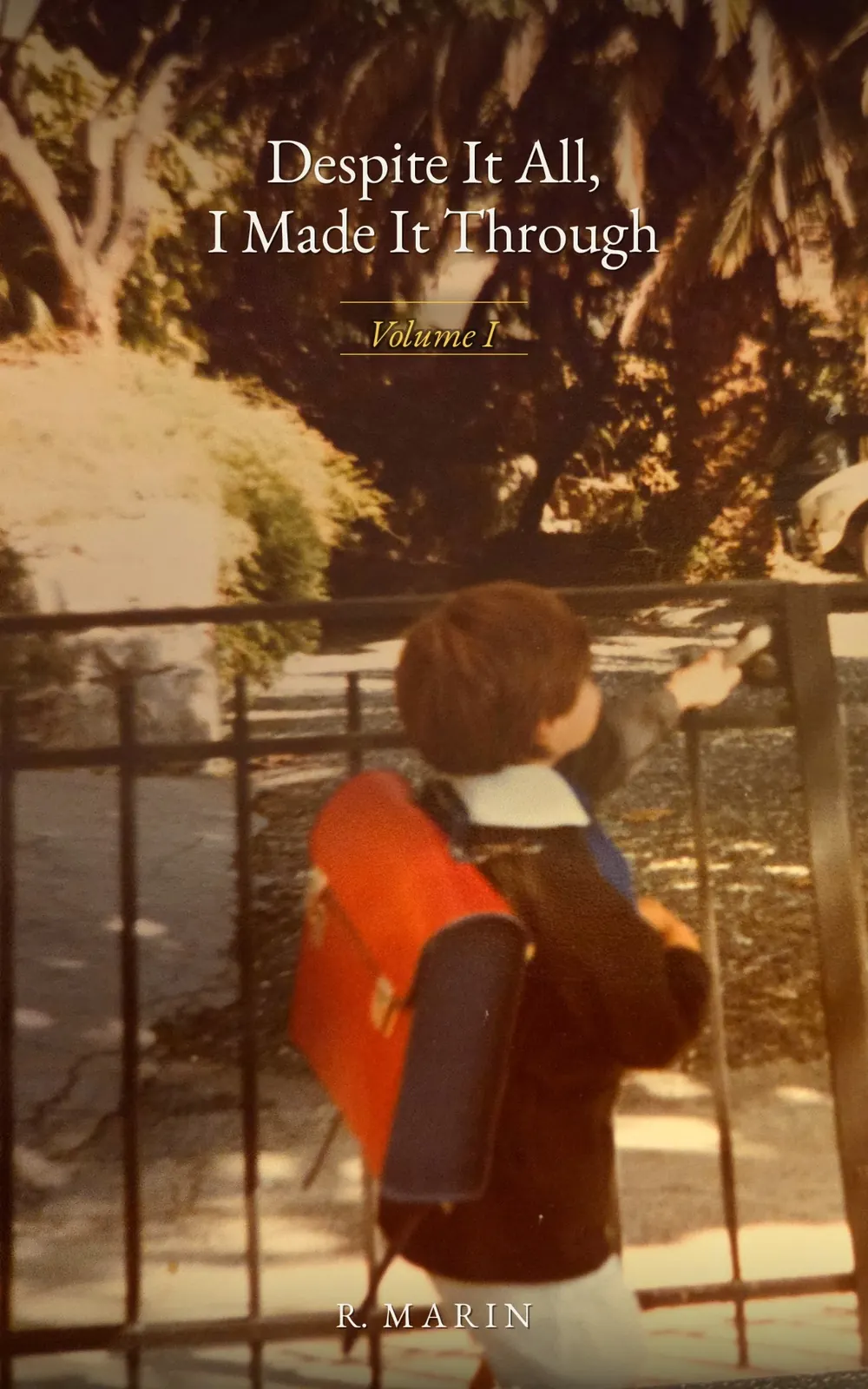


A life story about abandonment, adoption and the marks left by a difficult childhood.
Volume I follows Tommaso from his birth on the Ligurian coast to the age of eighteen. It tells the story of a child born without a recognised father, moving through hospital stays, institutions, foster placements and fragile family bonds before slowly trying to find a place of his own.
This is not an adoption handbook or a psychology manual. It begins with lived facts: a child abandoned at birth, the need for a mother, separations, care homes, foster families, violence, and the people who sometimes open a door at the right moment.
As an adult, it becomes possible to name attachment trauma, fear of abandonment and the reflexes left by childhood. In the story, those labels never replace the child. They only help illuminate what he had to live through and what continues to echo later.
Resilience is central, but the book does not pretend that surviving erases the past. Making it through means continuing while carrying the wounds, mistakes, attachments and strengths built along the way.
Which readers?
For readers looking for a novel inspired by a true story about abandonment, foster care, institutions, childhood trauma, attachment wounds, identity and resilience, told as lived experience rather than a set of instructions.
This page introduces Tommaso’s childhood without revealing its decisive moments.
Childhood seen from the inside
Tommaso grows up between Italy, institutions and adults who make decisions for him. The story follows his fears, games and early bonds without treating his childhood as nothing but hardship.
Abandonment and the need to belong
With every separation, a question returns: where does he belong? The book also makes room for the small, sometimes unexpected gestures of people who welcome him or help him move forward.
A childhood on the Ligurian coast
The sea, houses and streets of the Italian coast are part of his memories. They give the story a concrete setting that reaches beyond the labels often used when discussing adoption.